When Every Second Counts: Military Medical Training That Saves Lives

On the battlefield, hesitation can cost lives. Soldiers are trained to suppress fear not because they don’t feel it, but because fear doesn’t heal wounds, stop bleeding, or save lives. In high-stakes environments, medical readiness becomes a form of mental armor.
This is why soldiers continuously engage in medical training. These trainings aren’t just about technique, they’re about mindset. Soldiers are conditioned to stay calm, focused, and effective, even when everything around them is falling apart. They respond with skill, not fear because in combat, that difference can mean survival.
These pictures capture the kinds of medical training that make all the difference when it’s no longer a simulation.
Jungle Survival Training
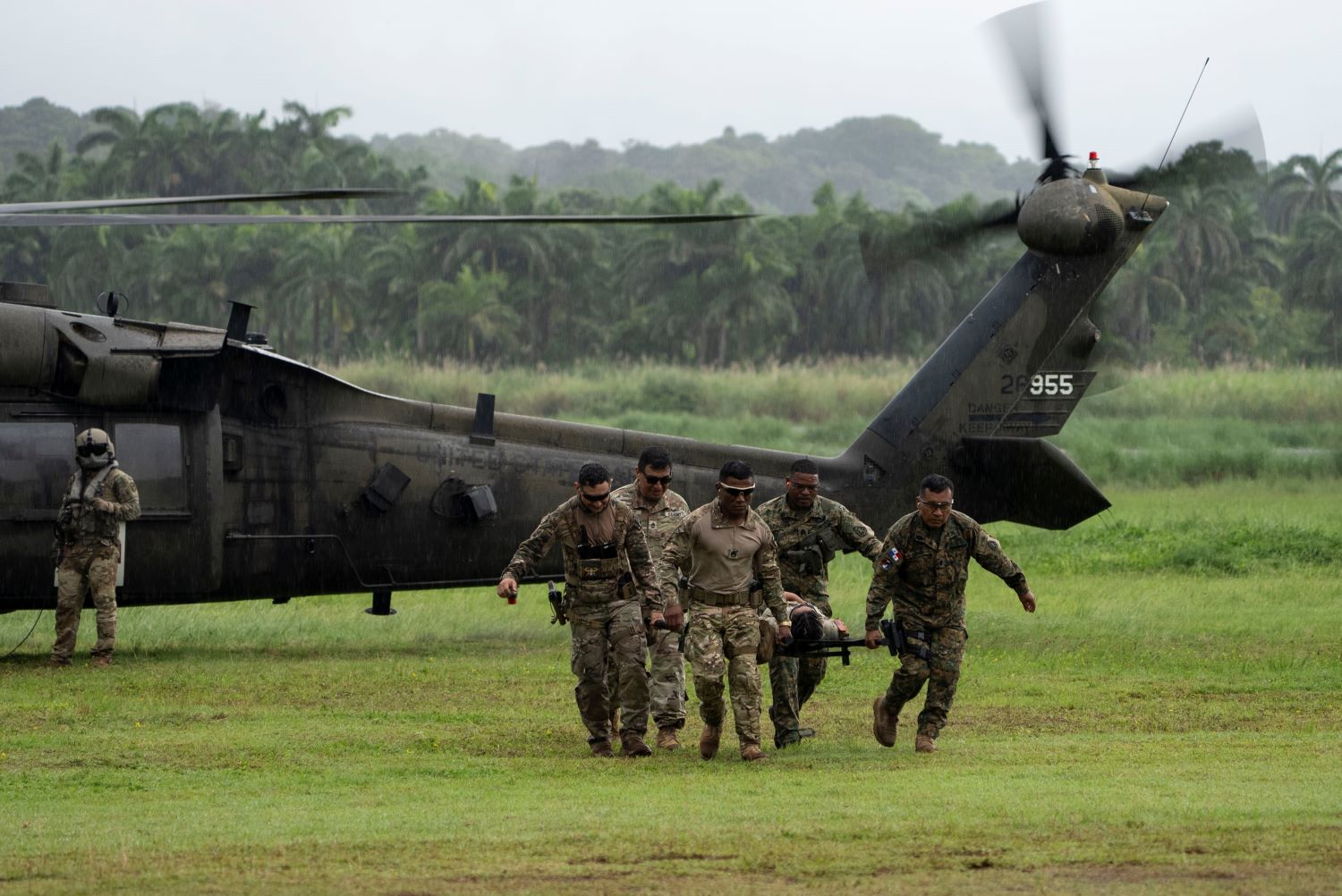
This is a medical evacuation exercise involving jungle survival instructors from Panama’s National Border Service (SENAFRONT), National Aeronaval Service, and National Police (PNP), along with a U.S. Army member assigned to the Joint Security Cooperation Group – Panama.
Held on August 14, 2025, at Base Aeronaval Cristóbal Colón, the training supports preparations for an upcoming jungle survival course. By exchanging expertise and working in close coordination, U.S. Southern Command and Panamanian security forces are building stronger regional partnerships to respond effectively to natural disasters, medical emergencies, and other crises.
U.S. Navy Physician Shares Lifesaving CPR Skills with Chuuk Hospital Team
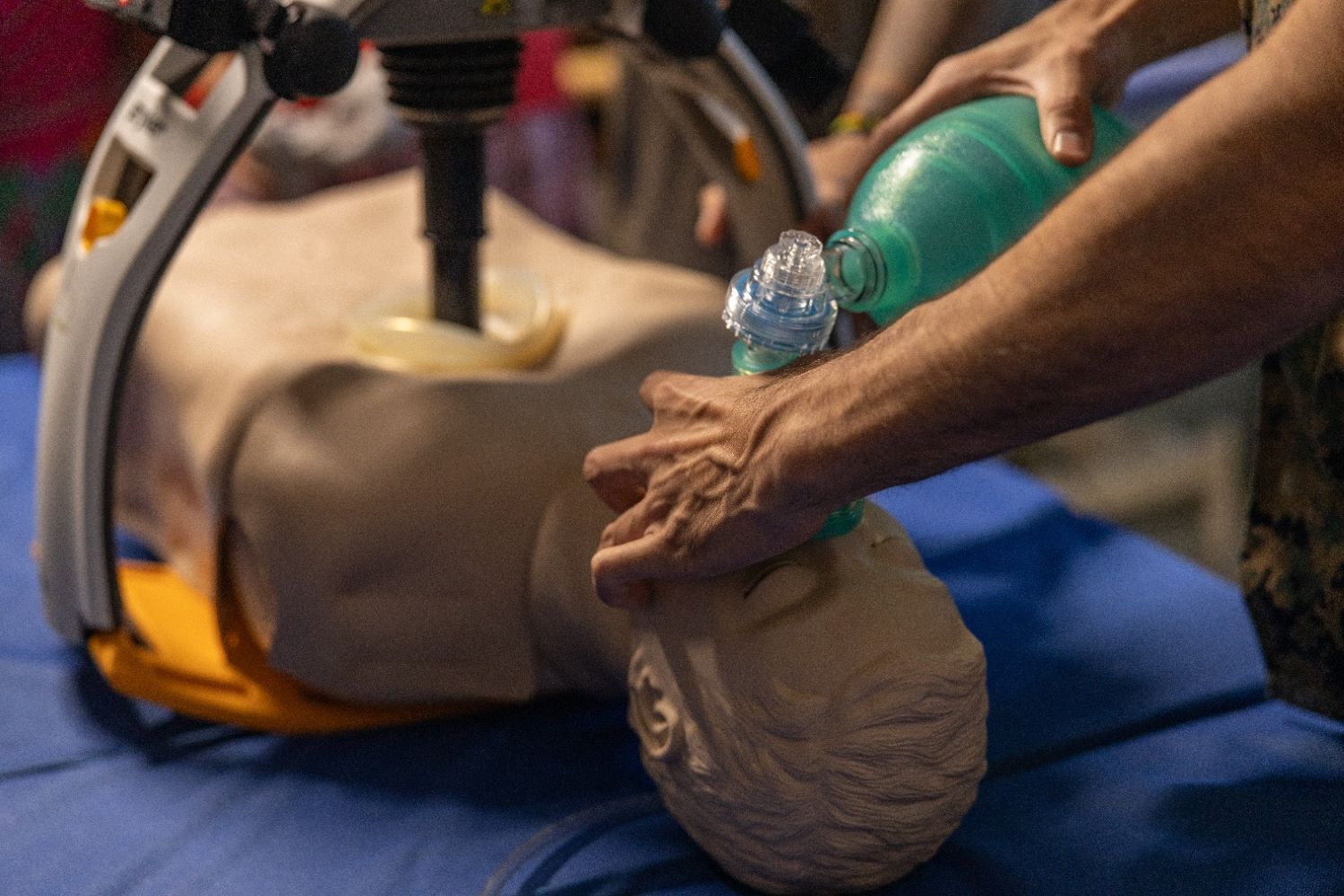
In the picture, U.S. Navy Lt. Cmdr. Syed Hussain, an emergency medicine physician from Texas with Combat Logistics Battalion 15, Combat Logistics Regiment 17, 1st Marine Logistics Group, demonstrates how to properly use a manual resuscitation bag during CPR training for the Chuuk State Hospital medical team in Chuuk, Federated States of Micronesia, on August 12, 2025.
This training is part of Koa Moana 25, an annual Indo-Pacific partnership initiative aimed at strengthening long-standing relationships, enhancing regional security cooperation, and building resilience among allies and partners through medical outreach, civic assistance, infrastructure development, and leadership exchanges.
Advanced Trauma Training in Hilo
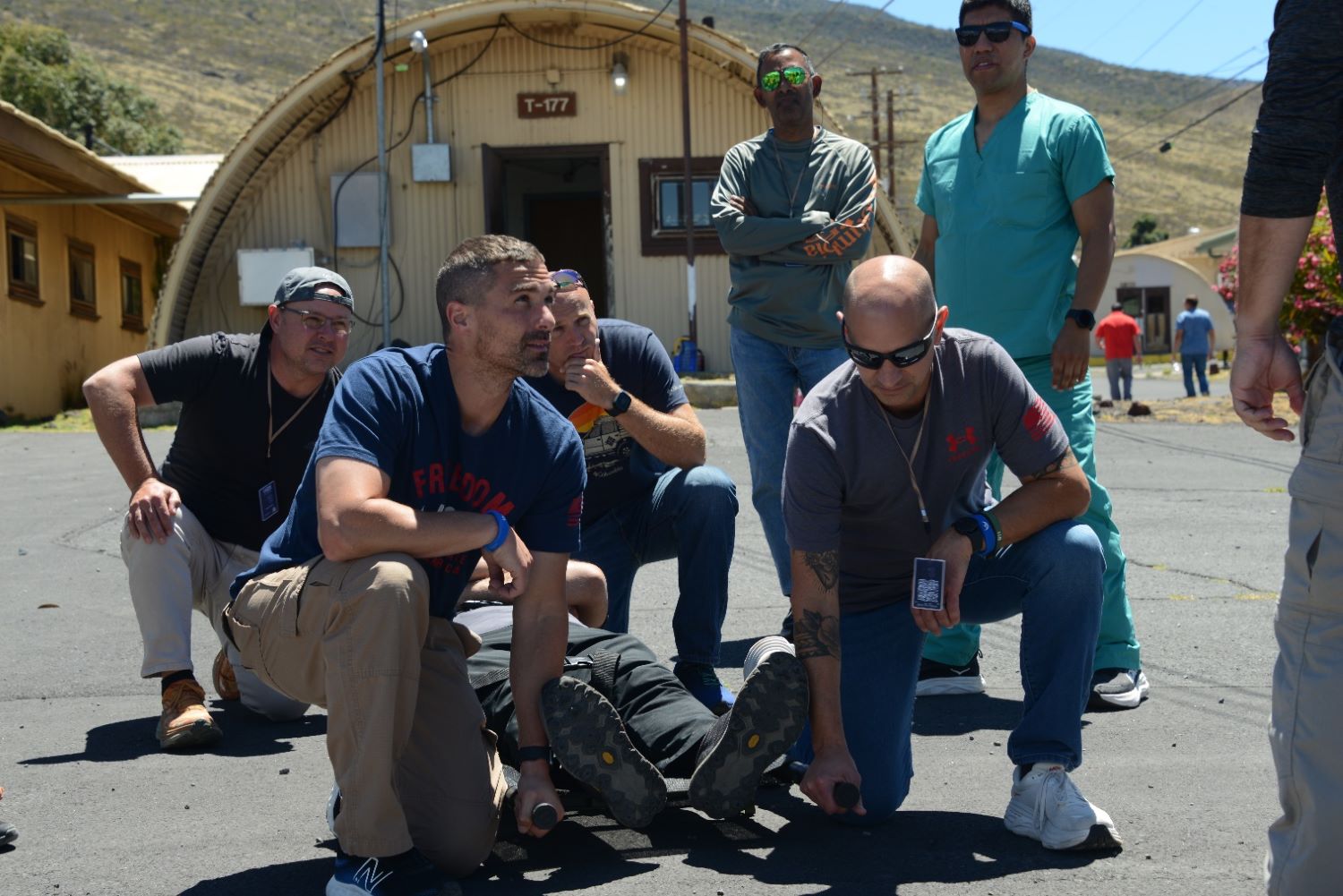
U.S. National Guard members are seen preparing to lift an occupied litter during an advanced trauma training course held at Pōhakuloa Training Area in Hilo, Hawaii, on August 7, 2025. This hands-on exercise was part of a broader tactical medical training program designed to enhance the readiness and response capabilities of Airmen in high-stress, real-world scenarios.
When Training Feels Real

This is a simulated mass casualty response conducted by a U.S. Air Force Reserve Expeditionary Medical Support team during Exercise Patriot Medic 25 at Grissom Air Reserve Base, Indiana, on August 10, 2025.
In this high-intensity training scenario, medical personnel treated mock patients to replicate the urgency and complexity of real-world emergencies. The exercise provided Reserve Airmen with an opportunity to practice critical trauma care, triage procedures, and coordinated medical evacuation under pressure.
Patriot Medic 25 is a cornerstone of medical readiness for the Air Force Reserve, bringing together units from across the country to engage in realistic, scenario-based training. Through these exercises, participants enhance their clinical skills, build operational confidence, and strengthen their ability to respond effectively to both combat and humanitarian missions.
Mountain Warfare and Medevac
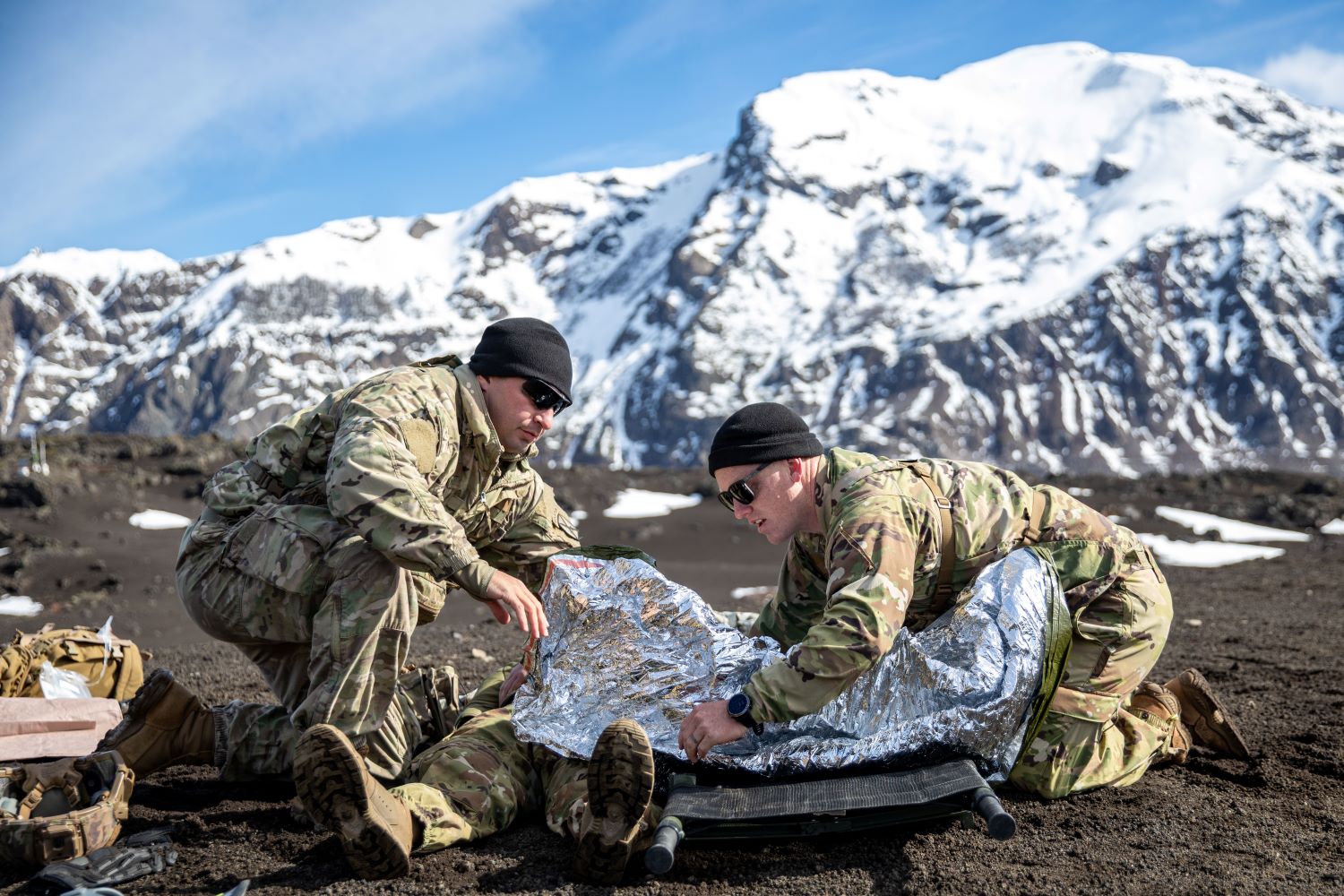
Medical training happens everywhere—from the depths of the sea to the heights of the mountains—and Exercise Southern Vanguard 25 is a powerful example of that commitment.
In this photo, U.S. Army Soldiers from the 1st Security Force Assistance Brigade participate in medical evacuation training in the rugged terrain of Antuco, Chile, on August 13, 2025. The exercise is part of a larger multinational effort that brings together U.S., Chilean, Argentine, and Peruvian forces to conduct combined mountain warfare, field operations, and command post training.
From Makeup to Mission

At Fort McCoy on August 10, 2025, Hospital Corpsman 2nd Class Duvergé Sadrack from Marine 4th Medical Battalion and Hospital Corpsman 2nd Class Esmeralda Cruz from Expeditionary Medical Facility 150 applied simulated injuries to Hospital Corpsman 3rd Class Joshua Ellison of U.S. Navy Expeditionary Medical Unit 13. This preparation was part of a mass-casualty training event during Global Medic, a joint medical exercise conducted under Global Strike.
Global Medic provides realistic, scenario-based medical support training in a joint operational environment, involving participants from the U.S. Army, Navy, Marine Corps, and Air Force, as well as allied forces from the United Kingdom and Canada. The exercise focuses on battlefield lifesaving techniques, casualty transport by land and air, and the operation of combat support hospitals.
As the only joint component of Global Strike, Global Medic plays a critical role in preparing military medical teams for large-scale combat operations. It tests and refines the capabilities, coordination, and readiness of U.S. and partner forces to respond effectively to complex medical emergencies in both combat and humanitarian missions.
Proper Compression and Bandage Techniques

U.S. Army Staff Sgt. Hunter Vaught, who oversees the combat medic program for the South Carolina Army National Guard, demonstrated effective compression and bandaging methods during a Tactical Combat Casualty Care course.
The training, held in collaboration with Colombian medical personnel at Palanquero Air Base, Colombia, on August 2, 2025, was part of the multinational exercise Relámpago de los Andes. This initiative aims to deepen cooperation among allied nations through joint training, building mutual trust and enhancing preparedness for future combined operations.
Airmen Practice Ambulance Response

In the picture, U.S. Air Force Senior Airman Harlan Watson, a paramedic with the 87th Medical Group, is seen loading Airman Marcus Garza, a ground transportation apprentice from the 87th Logistics Readiness Squadron, into an ambulance.
The scene is part of a Public Health Emergency exercise held at Joint Base McGuire-Dix-Lakehurst, New Jersey, on August 7, 2025. The drill brought together various base agencies and civilian participants to create a realistic training scenario for emergency response.
Realistic Wounds, Real Readiness
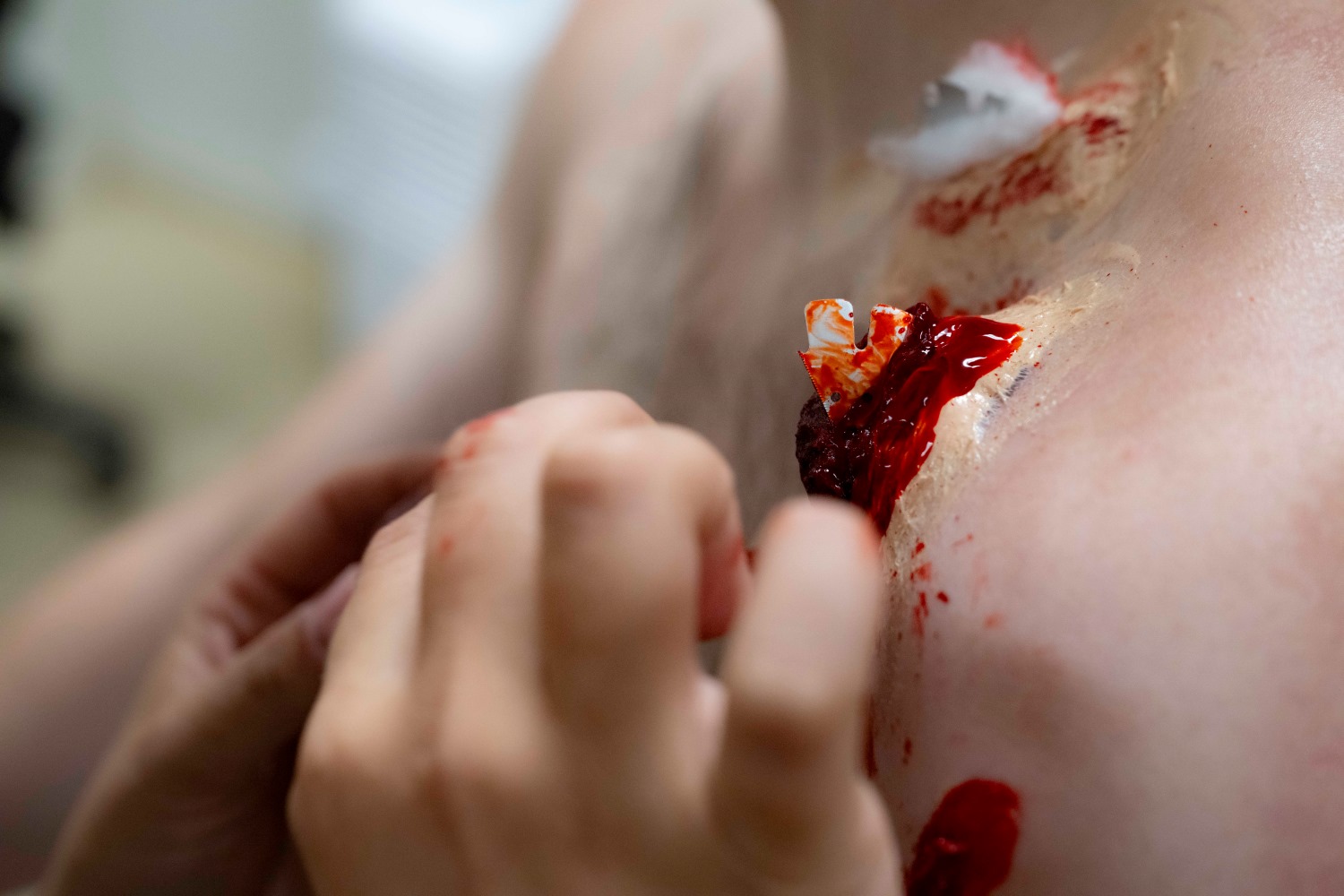
U.S. Army Staff Sgt. Corney Stahl, noncommissioned officer in charge of medical logistics and blood operations for Combined Joint Task Force – Horn of Africa, applies realistic moulage makeup during Tactical Combat Casualty Care training at Camp Lemonnier, Djibouti, on May 29, 2025.
The special effects makeup simulated injuries on role players supporting a bilateral training scenario between Japanese Self-Defense Force personnel and CJTF-HOA Surgeon Cell members, enhancing operational readiness through lifelike medical simulations.
Rooftop Rescue
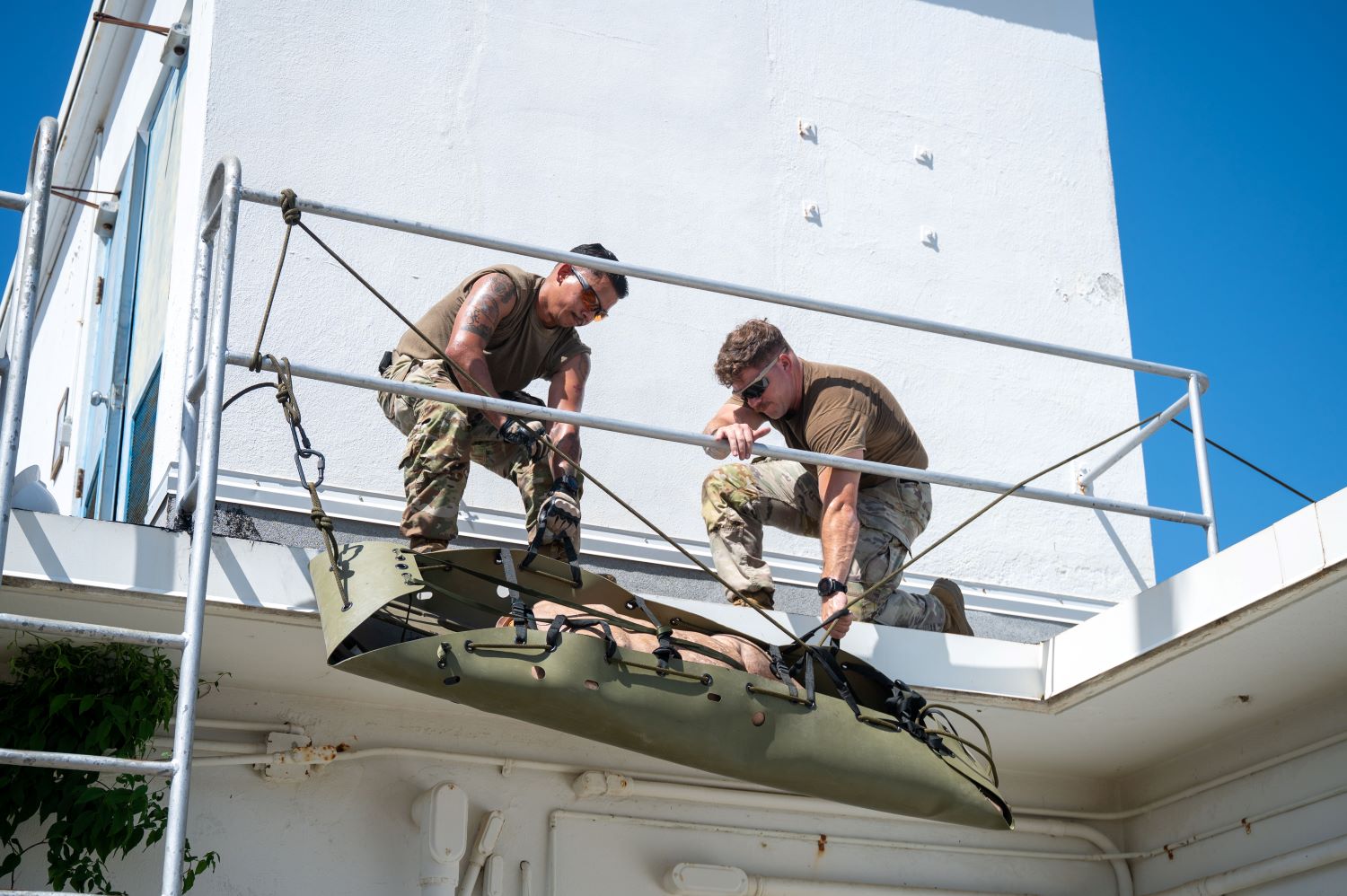
During a rooftop evacuation training exercise at Naval Station Guantanamo Bay, Cuba, on July 28, 2025, U.S. Soldiers from the 36th Medical Company Area Support tie down a sked litter as part of their preparation. The scenario is designed to simulate medical evacuation procedures in elevated and confined environments, requiring precision, teamwork, and technical skill.
Mid-Flight Medevac
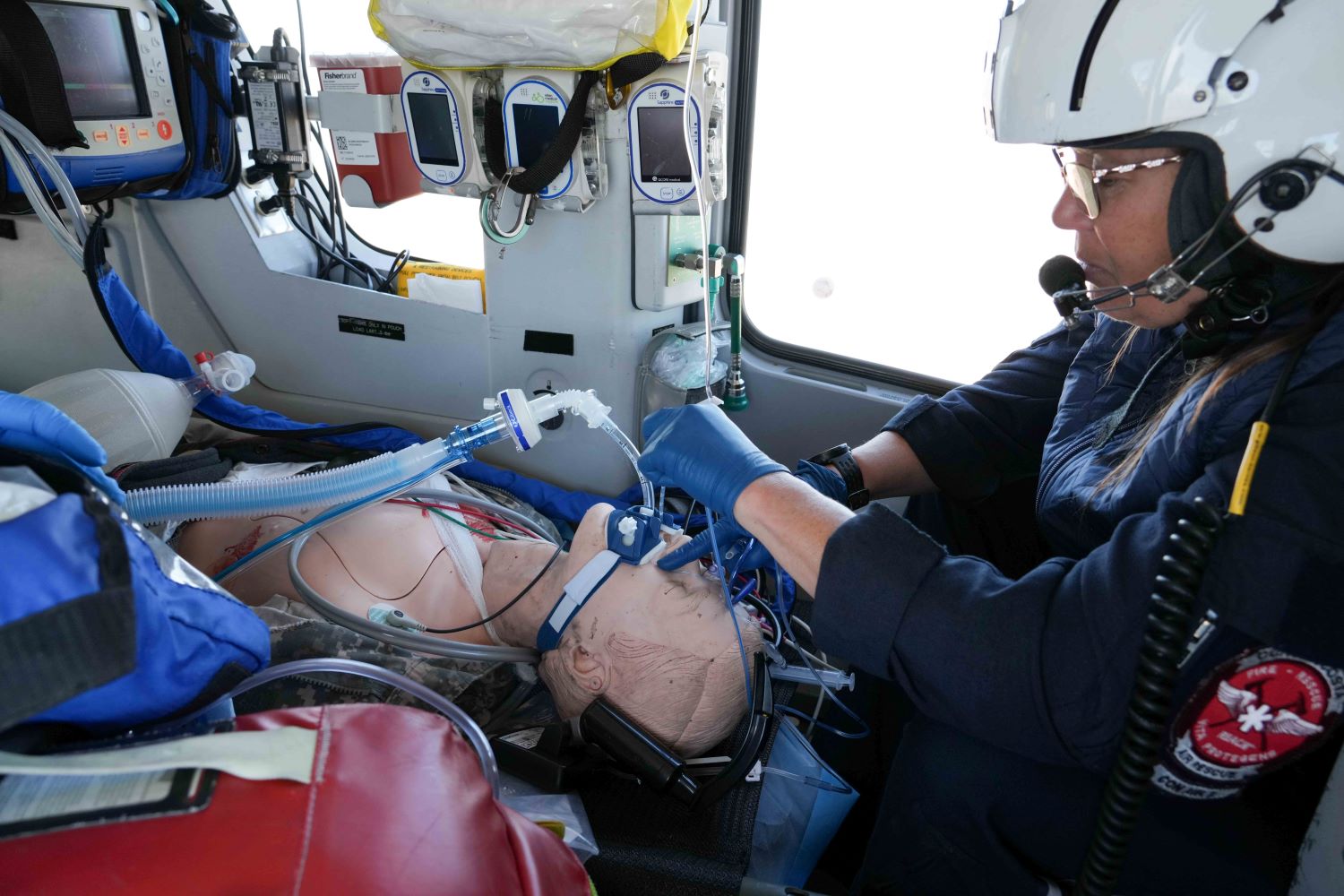
While flying over Northern California during exercise Ultimate Caduceus on July 28, 2025, Reach 32 Air Medical Services team registered nurse Kris Tate inserts an orogastric tube into a simulated military patient. The procedure is part of a broader training effort aimed at evaluating U.S. Transportation Command’s (USTRANSCOM) capacity to conduct large-scale global patient movement in a field environment.
Ultimate Caduceus brings together Department of Defense personnel, industry experts, and interagency partners to test and refine the systems and coordination required for effective medical evacuation and care across operational theaters.
Lifesaving Skills for Four-Legged Warriors

U.S. Air Force Tech. Sgt. Dylan Preister, assigned to the 332nd Expeditionary Medical Squadron, practices inserting a breathing tube into a synthetic military working dog within the U.S. Central Command area of responsibility on July 17, 2025.
This specialized training prepares medical Airmen to deliver emergency care to military working dogs in hostile environments, where these highly trained animals play vital roles in security and operations.
Medical Drills Meet Firepower Readiness

In the picture, U.S. Marines and Sailors with the 2nd Distribution Support Battalion, 2nd Marine Logistics Group, carry out a medical training drill at Marine Corps Base Camp Lejeune, North Carolina, on July 27, 2025. The exercise is part of a broader effort to enhance operational readiness through realistic, scenario-based training.
In addition to medical drills, the team also conducted live-fire exercises using the M2 .50 caliber machine gun mounted on a Joint Light Tactical Vehicle. These combined activities sharpen weapons proficiency, improve familiarity with tactical platforms, and reinforce combat preparedness in dynamic environments.
CBRN Care at Sea
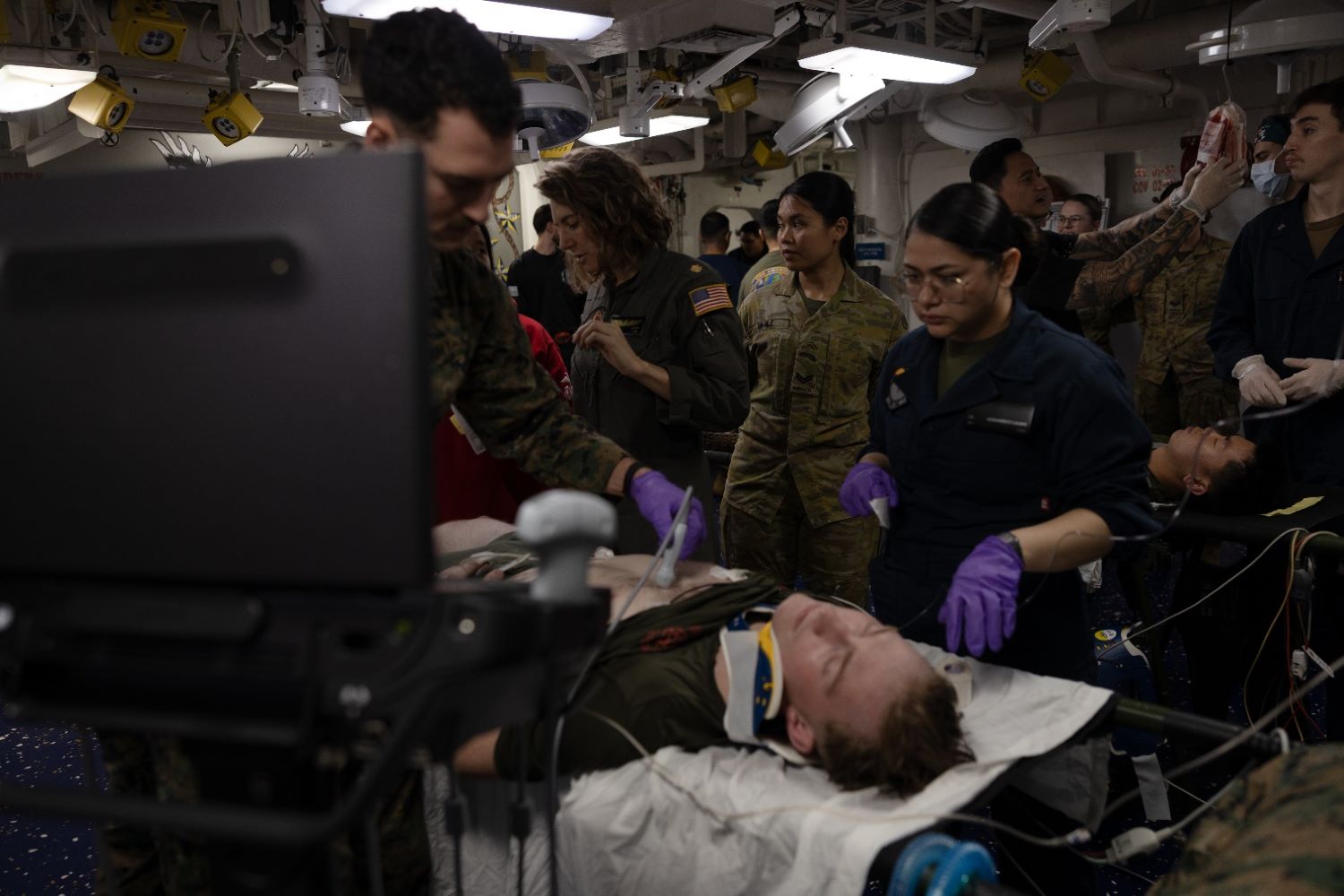
U.S. Navy Sailors aboard the amphibious assault ship USS America (LHA 6), alongside Australian service members, perform medical procedures during chemical, biological, radiological, and nuclear (CBRN) enroute care training in the Coral Sea on July 18, 2025.
The drill, part of the multinational exercise Talisman Sabre 25, tested the response and triage capabilities of CBRN specialists, corpsmen, and ship surgeons while providing medical care underway.
Talisman Sabre is the largest bilateral military exercise between the United States and Australia, designed to strengthen interoperability, build trust among allies and partners, and enhance collective readiness to address a wide range of security challenges in support of a free and open Indo-Pacific.
Finding the Vein
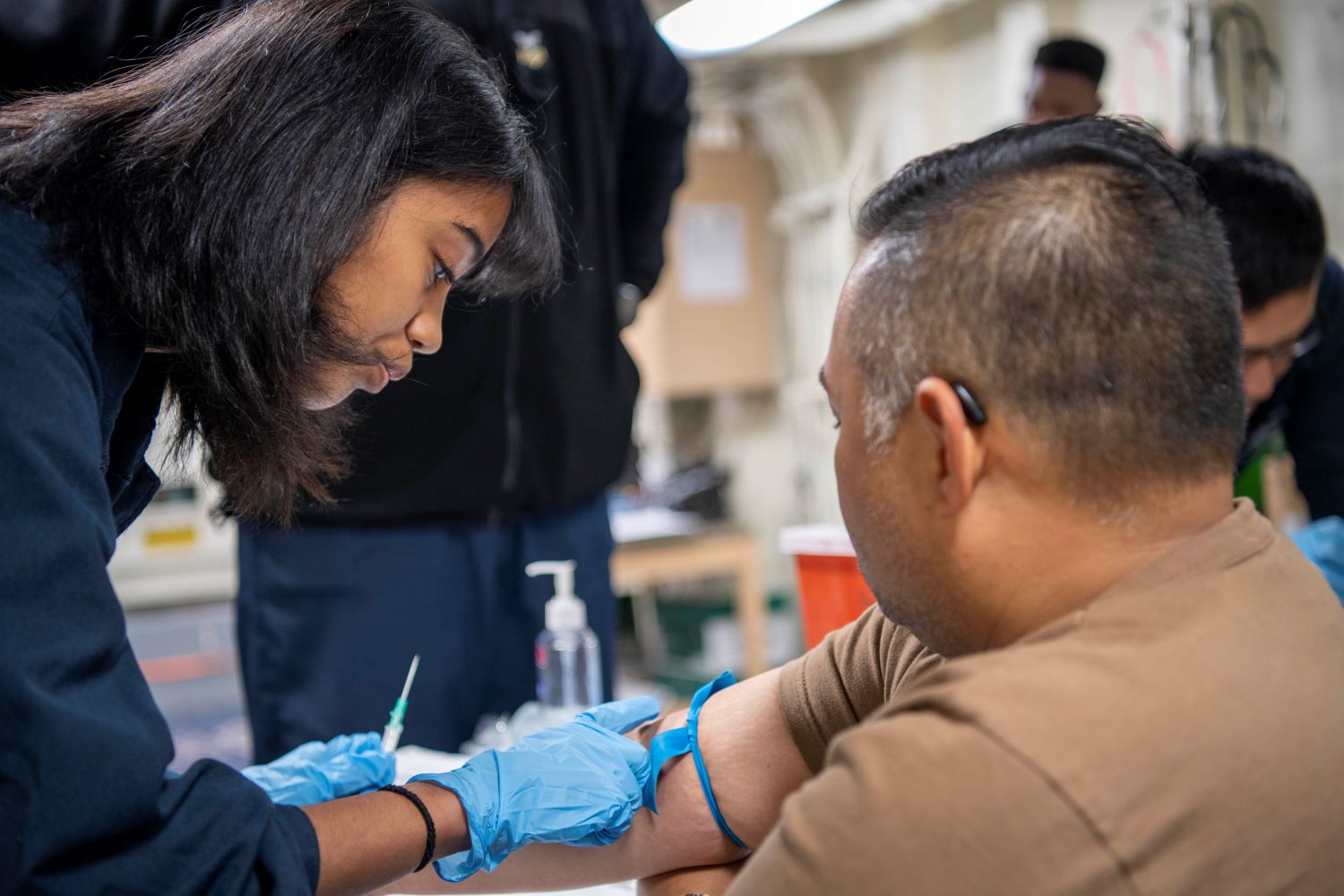
Personnel Specialist 2nd Class Nardasha Boaz prepares to administer medical care by locating a vein in the arm of Hospital Corpsman 3rd Class Virjohn Ortiz during a training session aboard the amphibious transport dock ship USS John P. Murtha (LPD 26) on July 16, 2025.
This hands-on medical drill is part of routine operations conducted while the ship is underway in the U.S. 3rd Fleet. Designed to support integrated amphibious forces, John P. Murtha plays a key role in delivering both strike and support capabilities to operational commands around the globe.
Rescue in the Dark

In the picture, U.S. Navy Lt. j.g. Christopher Ward, a medical officer with the 2nd Medical Battalion, 2nd Marine Logistics Group, inserts an IV catheter into a simulated casualty during a Tier IV Tactical Combat Casualty Care (TCCC) Course at the Battle Skills Training School, Marine Corps Base Camp Lejeune, North Carolina, on July 23, 2025.
This groundbreaking course marks the first Tier IV TCCC hosted by a Marine Corps command and the first conducted by U.S. Navy personnel on the East Coast. Designed to train select service members as advanced combat paramedics, the course equips participants with the skills needed to deliver lifesaving care at the point of injury—whether on the battlefield or in austere, resource-limited environments.
Fake Wounds, Real Pressure

In the picture, Lithuanian National Guard members assess a simulated injury during Tactical Combat Casualty Care (TCCC) training in Kaunas, Lithuania, on July 18, 2025, while working alongside U.S. Army Green Berets from the 10th Special Forces Group (Airborne). The joint training exercise focused on enhancing battlefield medical response skills and fostering interoperability between Allied forces.
Through realistic scenarios and hands-on collaboration, the TCCC training strengthened coalition partnerships and improved mission effectiveness, reinforcing the shared commitment to readiness and cooperation among NATO allies.